
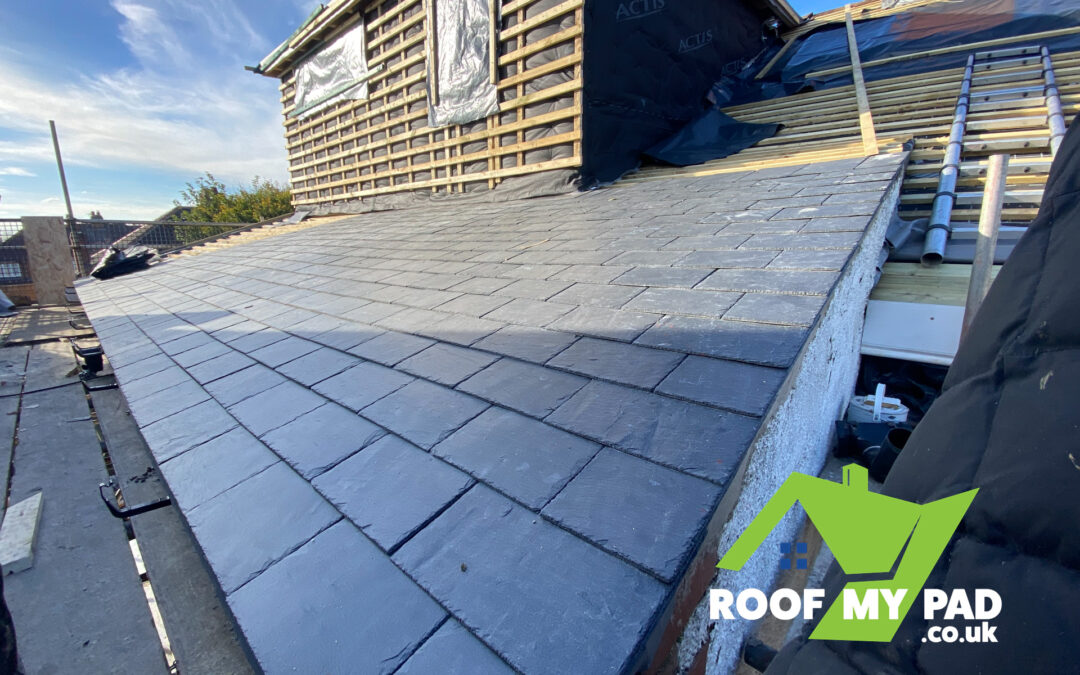
If your roof is reaching the end of its life, it can be hard to know where to start. There are many roof replacement options for UK homeowners, from classic tiles to modern metal systems, and each comes with different costs, lifespans and looks.
Choosing the right solution is about more than just stopping leaks. The roof you pick affects your home’s kerb appeal, energy efficiency and long‑term maintenance, so it pays to understand your options before you invest.
1. When is it time to replace your roof?
Before looking at different roof materials, it helps to know whether repair or full replacement is the best option. Signs you may need a new roof include frequent leaks, broken or missing tiles, sagging areas, and visible light or damp patches in the loft.
If your roof is over 20–30 years old, or you are constantly calling out for small repairs, a full replacement can often work out more cost‑effective over time. A professional roof inspection will give you a clear picture of the roof’s condition and help you decide on the right next step.
2. Concrete roof tiles: durable and cost‑effective
Concrete tiles are one of the most common roof replacement options for UK homeowners because they are hard‑wearing, relatively affordable and available in a wide range of profiles and colours.
They can be heavier than some other materials, so your roofer will need to check the structure is suitable, especially on older properties. With proper installation and maintenance, concrete tiles can last several decades and cope well with typical UK weather, from wind and rain to frost.
3. Clay roof tiles: traditional character and long life
If you love the look of traditional British roofs, clay tiles are a popular choice. They provide rich, natural colours and a classic finish that suits many period homes, cottages and character properties.
Clay tiles can be more expensive than concrete, but they usually offer a longer lifespan and better colour retention. They are also resistant to fading and weathering, so your roof can continue to look good for many years with the right care.
4. Natural slate roofing: premium, long‑lasting style
For a high‑end finish and exceptional longevity, natural slate is one of the most desirable roof replacement options for UK homeowners. A well‑installed slate roof can last 80–100 years or more, making it a long‑term investment in your home.
Slate is relatively lightweight but requires skill to install, so it is important to choose an experienced roofing contractor. It works particularly well on period properties and homes in areas where slate is traditional, helping your roof blend with the local style.
5. Fibre‑cement and synthetic slate: the slate look for less
If you like the look of slate but want a more budget‑friendly option, fibre‑cement or synthetic slates could be a good fit. These products are designed to mimic natural slate while offering lighter weight and, in many cases, lower cost.
They can be easier to cut and install than natural stone, which may reduce labour costs. For homeowners who want a smart, modern appearance without the premium price of real slate, they can be a practical alternative.
6. Metal roofing: modern, lightweight and low‑maintenance
Metal roofing systems, often made from steel, aluminium or zinc, are becoming more popular in the UK. They offer a sleek, contemporary look and are one of the more durable roof replacement options for UK homeowners who want low maintenance.
Metal roofs are lightweight and can be suitable for both pitched and low‑slope roofs, depending on the system used. They typically provide good weather resistance, long lifespans and, in some cases, recycled or recyclable materials, which appeals to eco‑conscious homeowners.
7. Flat roof replacement: felt, EPDM and GRP
If part of your property has a flat roof – for example over a kitchen extension or garage – you have a different set of choices. Traditional felt systems remain common, but modern membranes such as EPDM rubber and GRP (fibreglass) have become popular for their durability.
EPDM offers a single‑piece rubber membrane that is flexible and resistant to UV light, while GRP provides a seamless, tough finish that can last many years when installed correctly. The best option for your flat roof will depend on your budget, the size of the area and how you plan to use the space.
8. Energy‑efficient upgrades to consider
When you are looking at roof replacement options for UK homeowners, it is a good time to think about energy efficiency. Upgrading insulation in your loft or roof space can reduce heat loss and make your home more comfortable and cheaper to run.
You may also want to consider features like breathable membranes to help manage moisture, as well as ventilation solutions that prevent condensation. In some cases, homeowners choose to integrate roof windows or skylights during a replacement, bringing more natural light into dark areas.
9. Planning, permissions and working with a professional roofer
Before any major roof work, it is important to check whether planning permission or building regulations approval is required for your property. Many straightforward replacements on a like‑for‑like basis are classed as permitted development, but there are exceptions, especially in conservation areas or with listed buildings.
Choosing a qualified, experienced roofing contractor is essential for a safe, long‑lasting result. A professional roofer can advise you on suitable materials, provide a detailed quote and schedule the work to minimise disruption. They should also explain warranties and aftercare so you know exactly what to expect once the new roof is in place.
Choosing the best roof replacement option for your home
With so many roof replacement options for UK homeowners, from concrete and clay tiles to slate, synthetic slate, metal and modern flat roof systems, the right choice depends on your property, your budget and the look you want to achieve.
By combining professional advice with a clear idea of your priorities – whether that is lifespan, cost, character or low maintenance – you can choose a new roof that protects your home, boosts kerb appeal and adds long‑term value.